what we do
The main modalities that we work with at Head and Heart Mindfulness are Mindfulness, Meditation and Heartfulness, as they provide a holistic approach to creating calm minds and happy hearts.
The main modalities that we work with at Head and Heart Mindfulness are Mindfulness, Meditation and Heartfulness, as they provide a holistic approach to creating calm minds and happy hearts.
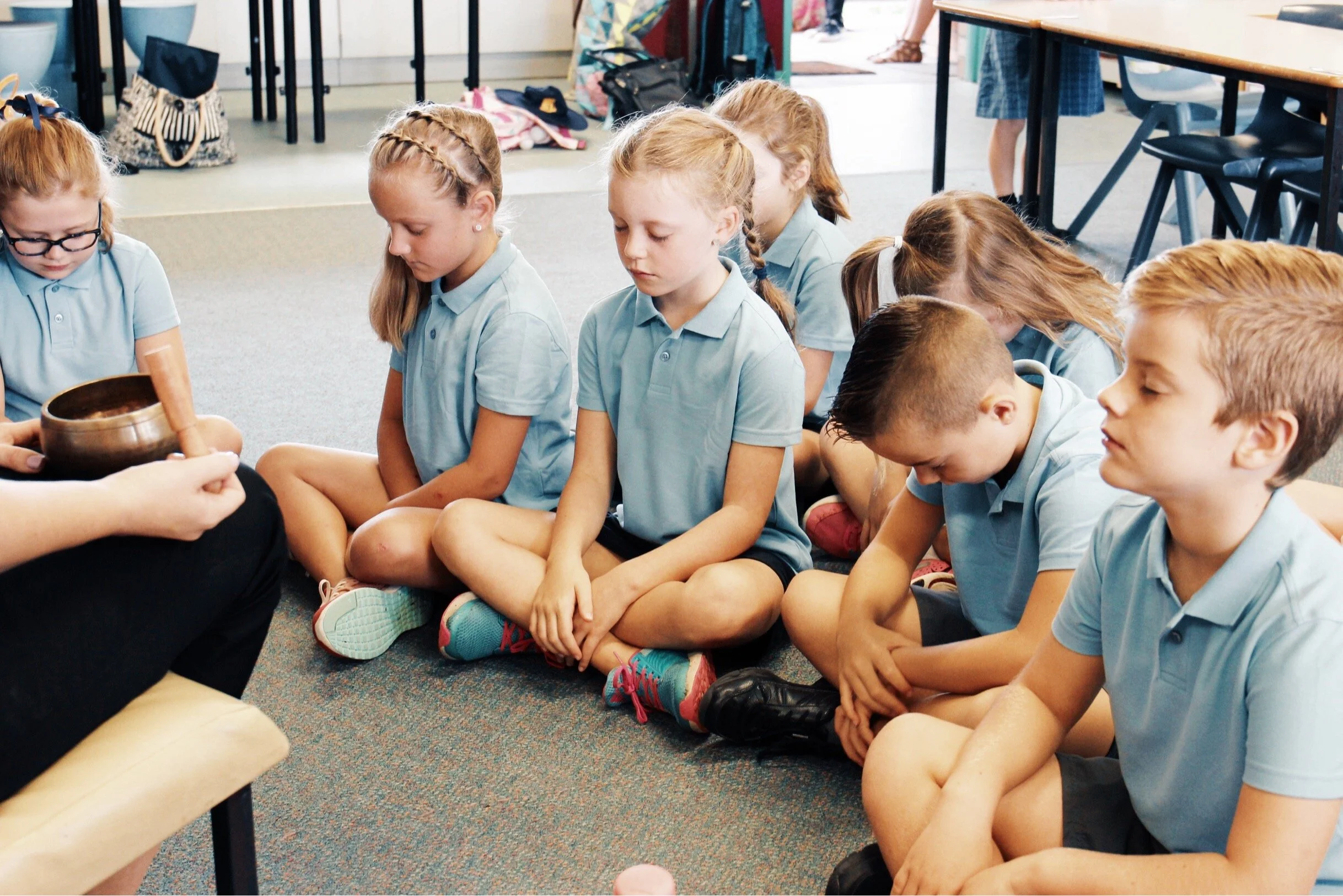
An evidence-based psychological technique used to fully experience the present moment. Mindfulness allows us to bring awareness to what is happening right now in our internal and external environments without judgment. When we are mindful, we choose to paying attention to our senses to keep us grounded in ‘the now’.

A simple practise that is used for resting the mind. It does not have to be spiritual or part of any religion. There are various forms of meditation. We primarily use mindful meditation as well as guided visualisation, a gentle but powerful technique that focuses and directs the imagination in positive ways.

A term derived from whole-heartedness. The qualities that comprise heartfulness include loving kindness, gratitude, generosity, compassion, empathy and other similar qualities of the heart. When practising heartfulness we include a heartfelt and warm relationship and sense of empathy to whatever is happening in the moment.
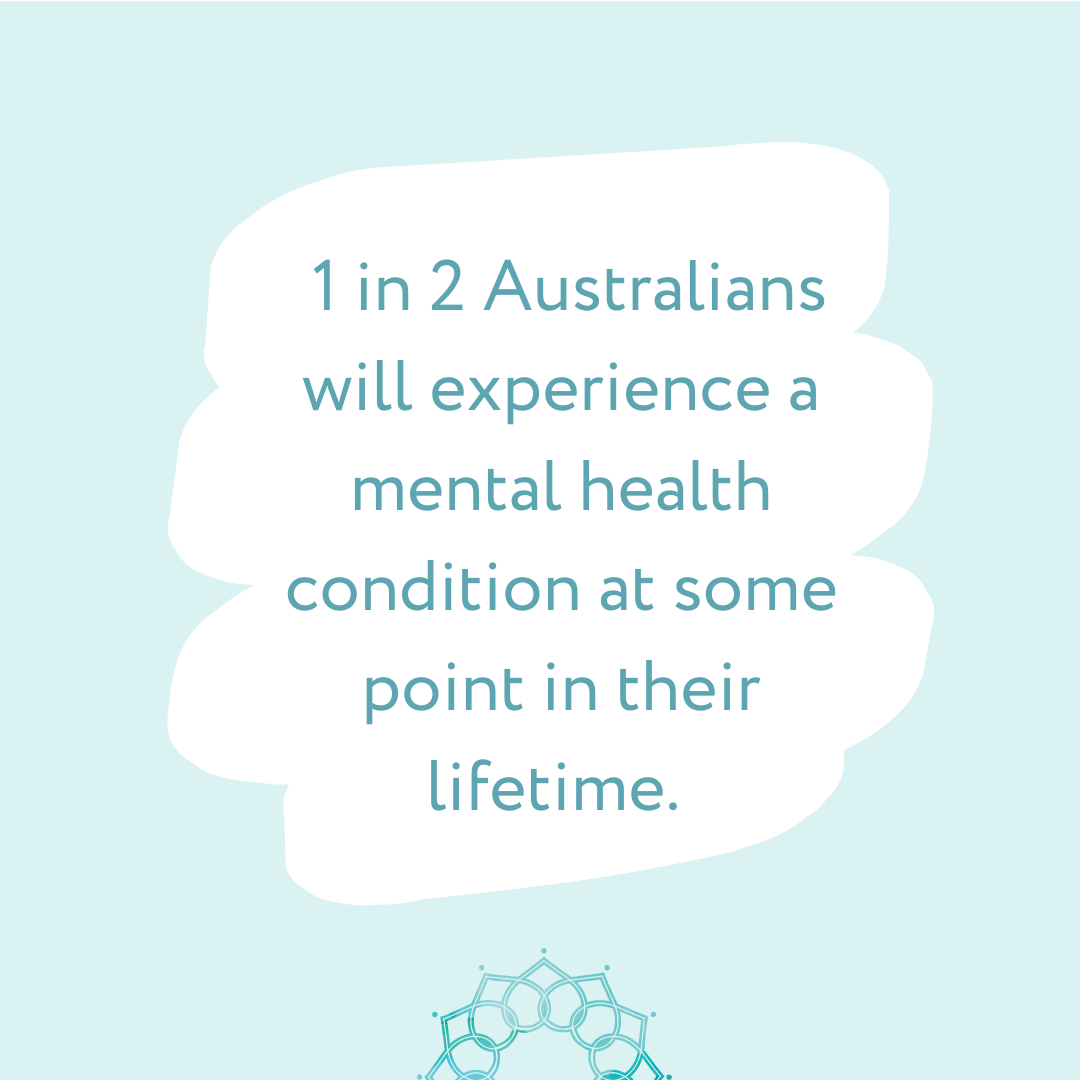
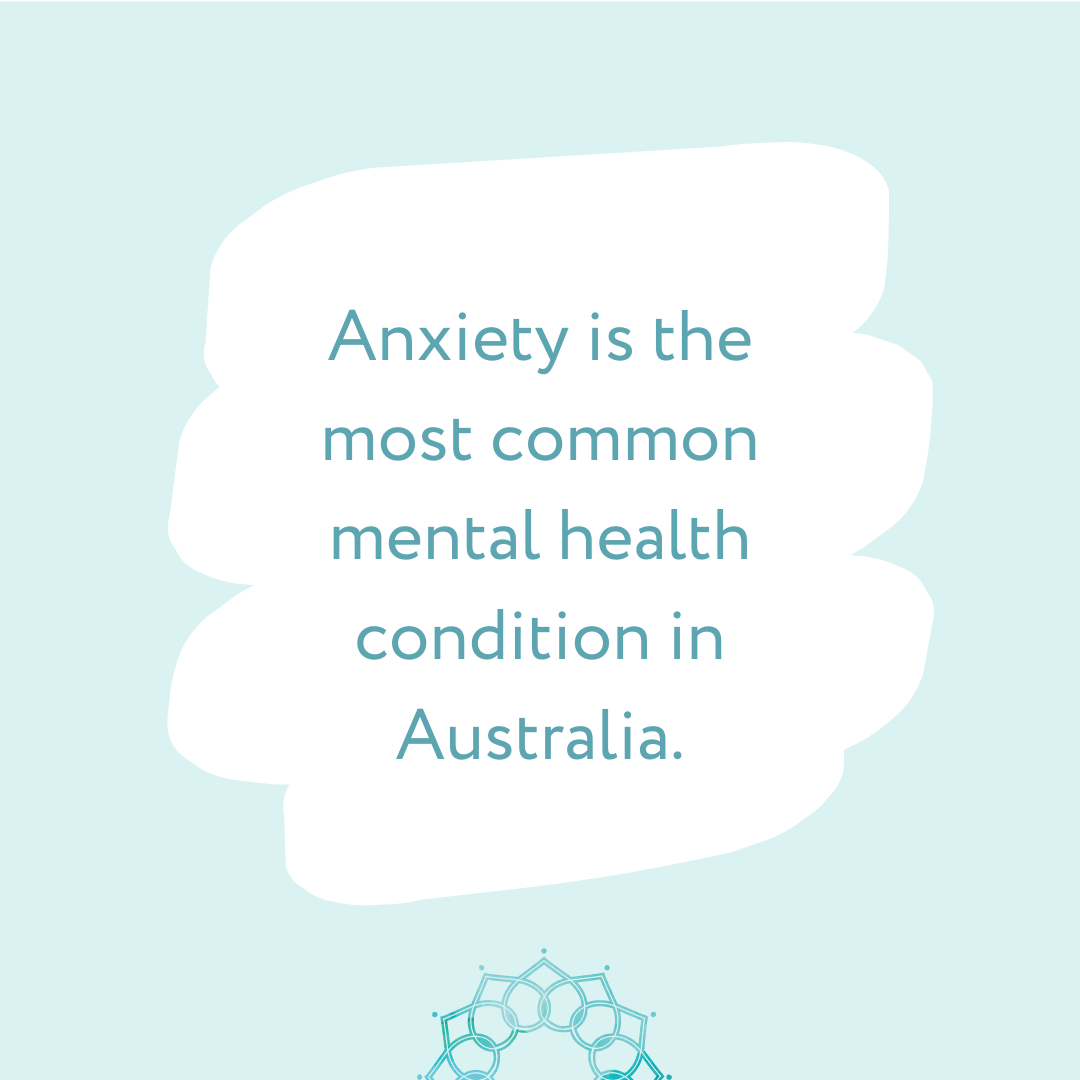
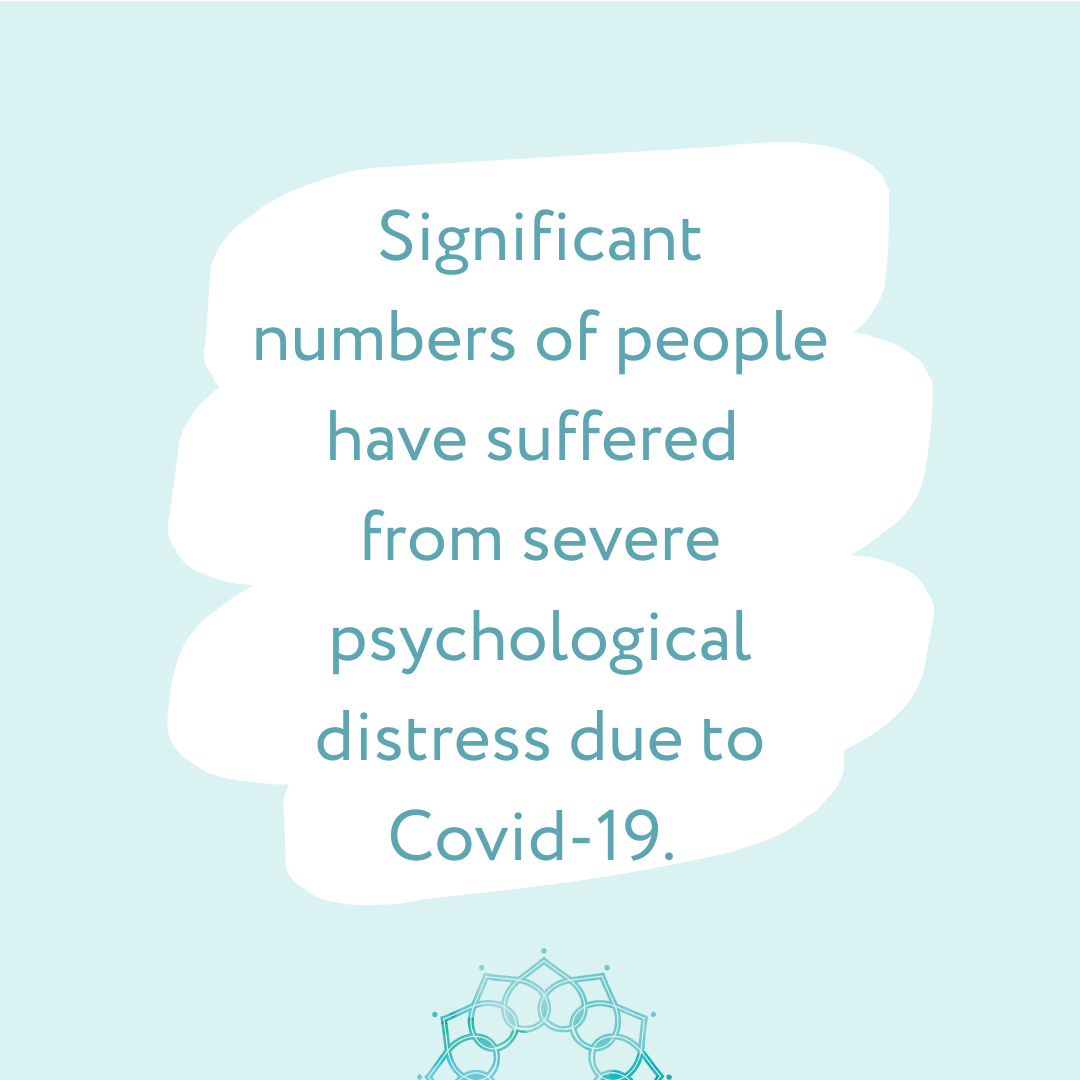
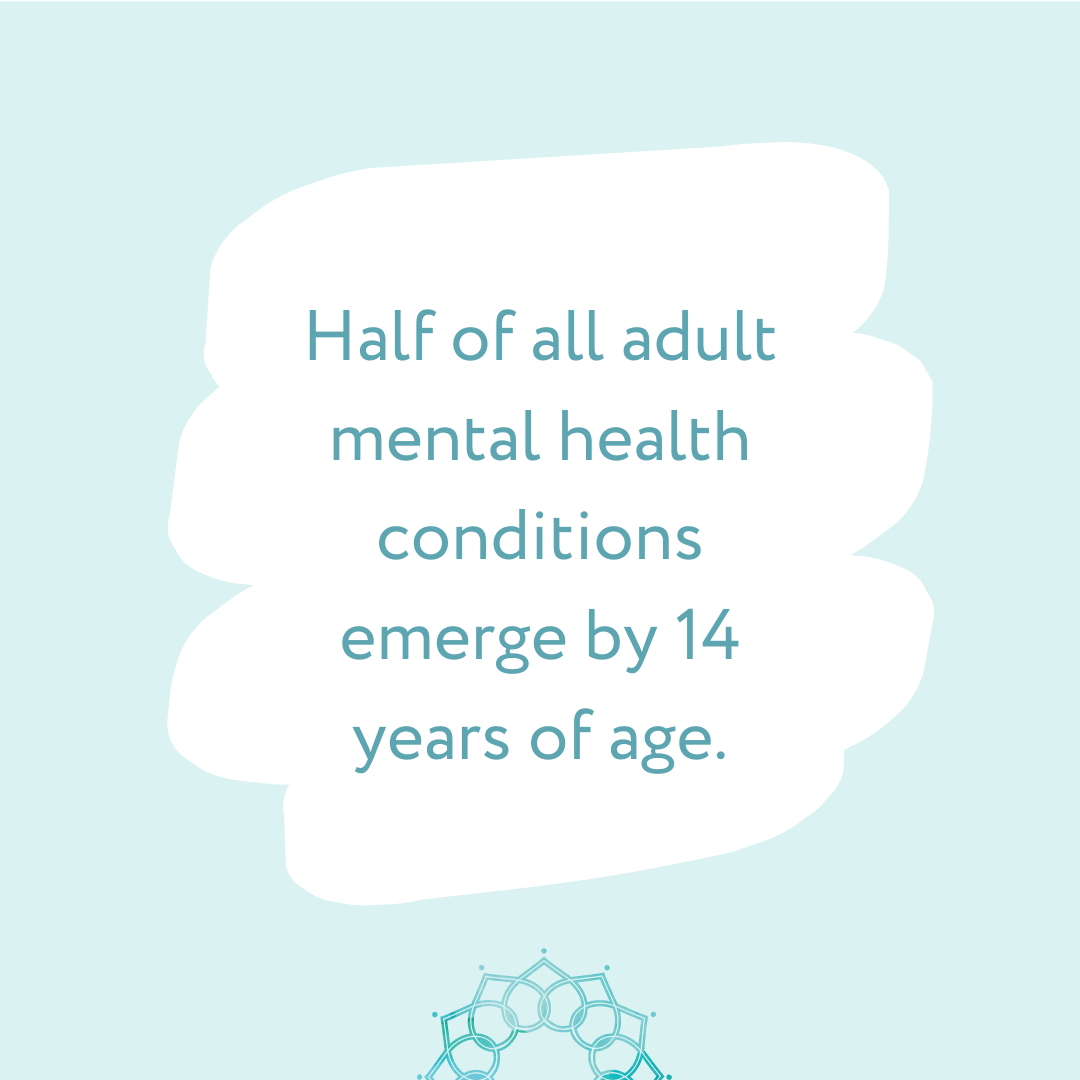
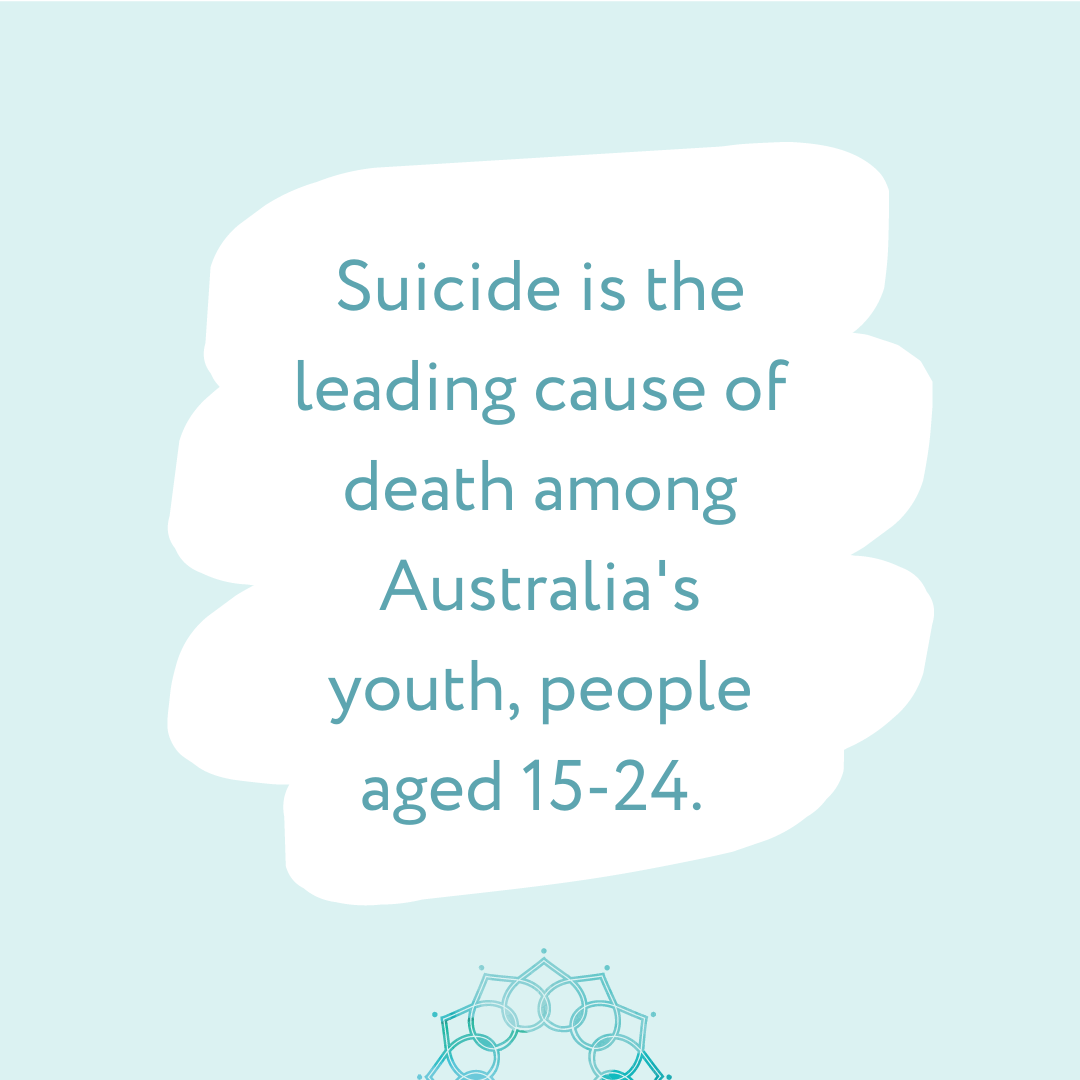
*Facts and information on this page have been sourced from Beyond Blue, SANE, The Australian Bureau of Statistics, & The Australian Institute of Health and Welfare.
Stop.
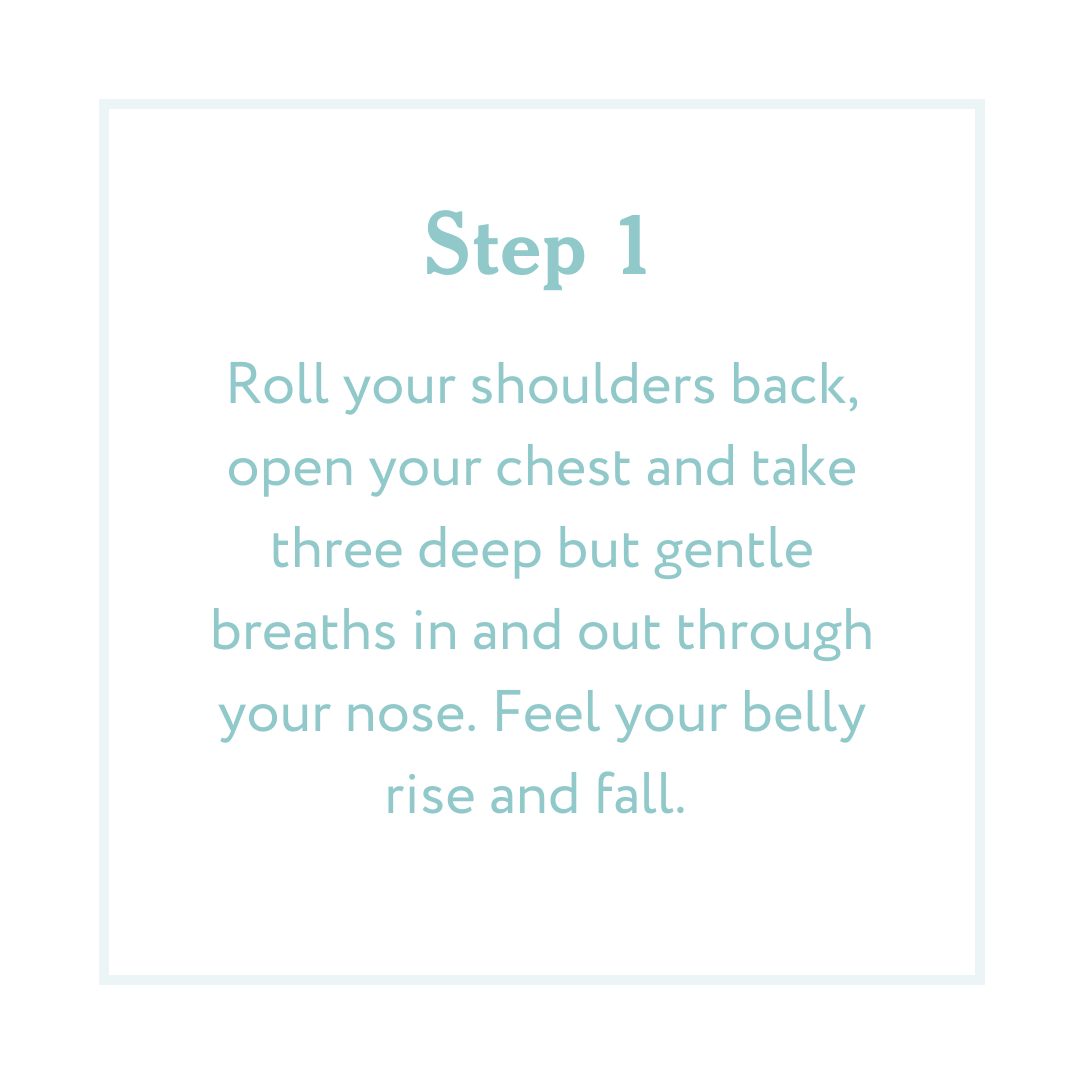
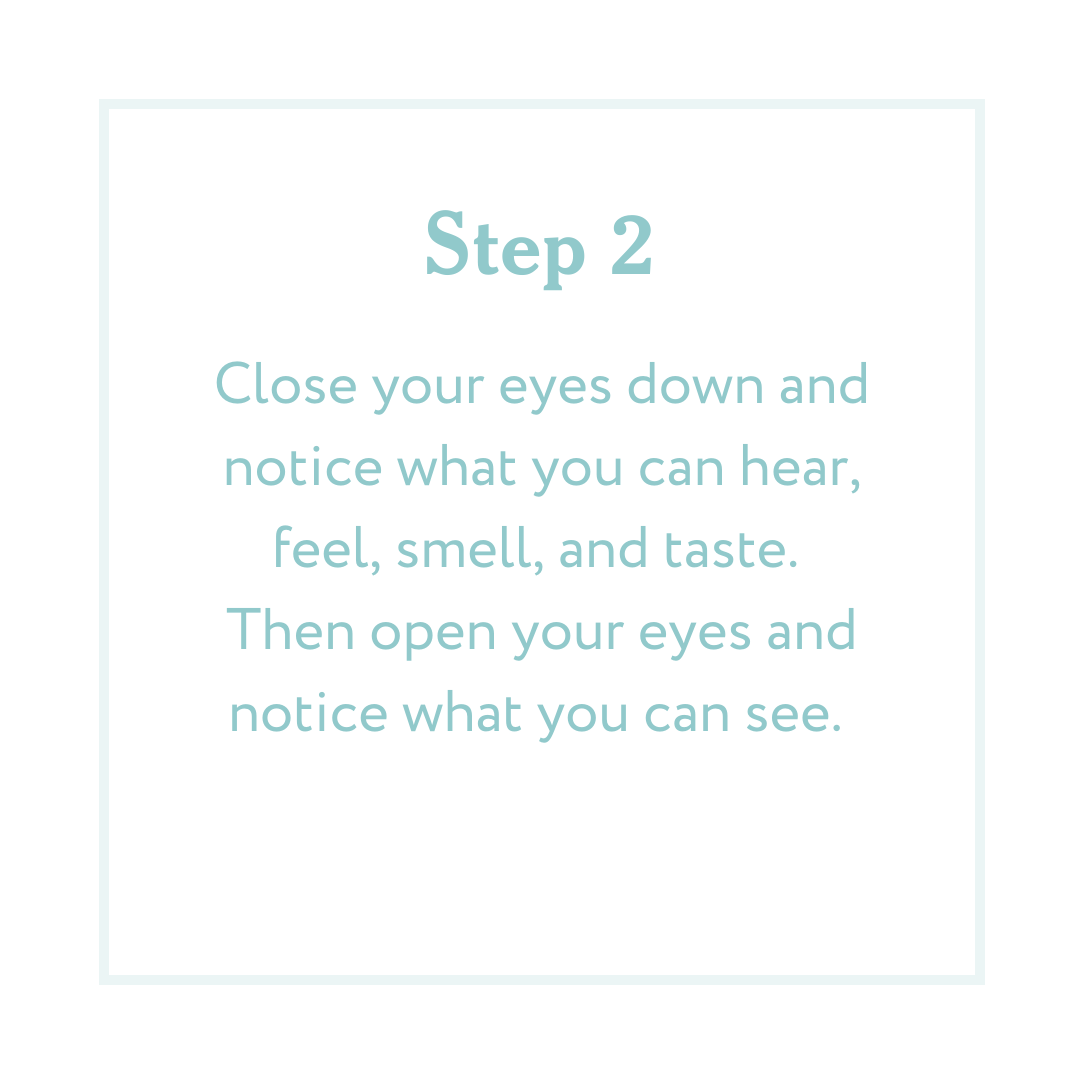
Read and follow the simple steps below. And enjoy the benefits of taking a Mindful Moment.
Mindfulness really does work to bring calm to your day.